
Bluetooth Speakers vs Wired Speakers: How Big Is the Sound Quality Gap?
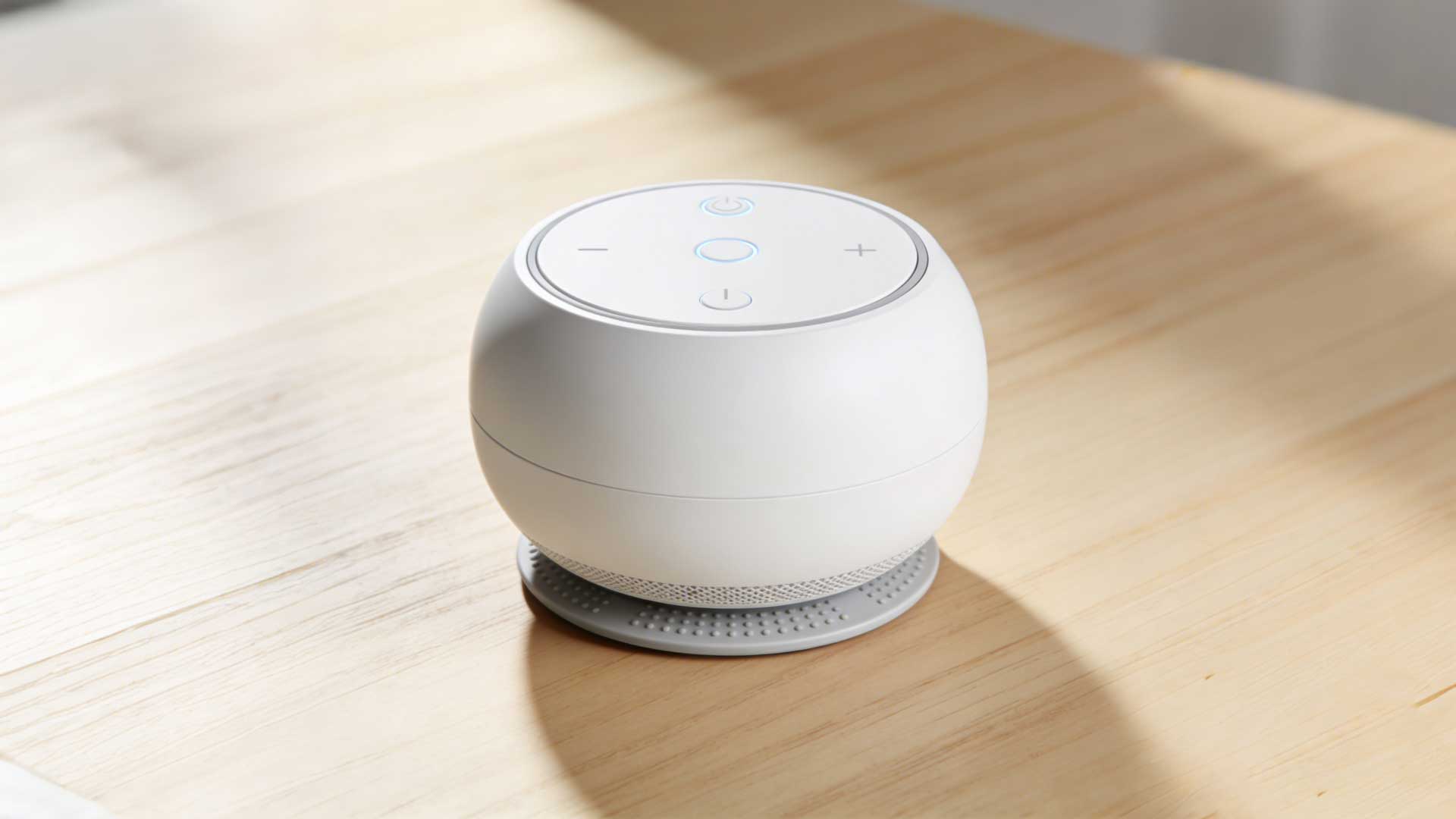
When choosing a speaker, the dilemma between "bluetooth or wired" is often unavoidable. Many people default to the idea that "wired speakers have better sound quality," but this perception is not absolute — the sound quality gap between the two is not a fixed value. Instead, it is influenced by multiple factors such as transmission methods, device grade, and usage scenarios. Sometimes the difference is vast, while other times it is barely distinguishable. Below, we comprehensively unpack the "true nature" of this sound quality gap, from core principles to practical experiences.
I. The Core Root of the Sound Quality Gap: Transmission Method Determines the Basic Upper Limit
The essence of sound quality lies in the fidelity of audio signal reproduction, and the transmission method is the first hurdle affecting this fidelity. The core gap between bluetooth and wired speakers is established the moment the signal leaves the playback device.
Bluetooth speakers rely on wireless transmission, so the signal must be compressed and encoded before being sent via bluetooth protocols. Mainstream SBC and AAC protocols compress 30%-50% of audio data, resulting in lost details — for example, guitar overtones and vocal sibilance are weakened, making the sound less "vivid." Even devices supporting lossless bluetooth protocols like LDAC/HWA only achieve near-lossless transmission, with minimal residual loss. In contrast, wired speakers (whether connected via AUX, optical fiber, or USB) adopt direct transmission, where the original audio signal is delivered to the speaker drivers without compression, fundamentally ensuring sound purity.
This transmission difference is directly reflected in several key sound quality dimensions: In terms of frequency response range, bluetooth speakers are limited by bandwidth — their low-frequency extension typically stops at 60Hz, and high-frequency extension struggles to exceed 18kHz, leading to muddy bass and dull treble. Wired speakers, unshackled by such constraints, can reach below 40Hz in low frequencies and above 20kHz in high frequencies. Their bass is more elastic, and treble is more transparent. For instance, in classical music, wired speakers can reproduce the delicate string vibrations of a violin, while bluetooth may sound flat. In dynamic range, bluetooth's compression algorithms "flatten" the difference between loud and soft sounds, with a dynamic range usually not exceeding 90dB. When facing large dynamic scenarios such as symphony climaxes or electronic music drops, they lack power. Wired speakers, however, boast a dynamic range of over 100dB — details in quiet passages are preserved, and climactic sections remain non-abrasive, delivering strong musical tension.
Additionally, anti-interference performance and latency exacerbate the gap. Bluetooth signals are susceptible to interference from Wi-Fi and mobile phone signals, potentially causing "hissing" background noise or momentary dropouts in complex environments like near routers. Wired transmission, by contrast, is stable and interference-free with extremely low noise, maintaining pure sound throughout. In terms of latency, regular bluetooth has a delay of 200-300ms, often leading to "audio-visual desynchronization" when watching videos or playing games. Wired speakers, however, have almost no latency (less than 10ms), ensuring precise rhythm in instrumental ensembles and an immersive viewing experience.
II. Device Grade: The "Magnifier" and "Reducer" of the Gap
If transmission method lays the foundation for the gap, device grade directly determines its magnitude — the sound quality divide between bluetooth and wired speakers can vary drastically across different price ranges.
For entry-level devices (≤¥500), the gap is most pronounced, reaching 30%-50%. To control costs, entry-level bluetooth speakers not only suffer from severe transmission compression but also use inferior hardware such as speaker drivers and amplifiers, resulting in muddy, dull, or even distorted sound. Meanwhile, wired speakers in the same price range (e.g., desktop 2.0 bookshelf speakers), despite simple hardware configurations, outperform bluetooth speakers significantly thanks to lossless transmission. For example, when listening to a pop song, wired speakers can clearly distinguish drum layers and bass lines, while bluetooth speakers may only deliver a "blur of low frequencies" with severe detail loss.
For mid-to-high-end devices (¥1,000-¥3,000), the gap narrows to 10%-20%. At this price point, bluetooth speakers begin to adopt LDAC/HWA lossless protocols, paired with high-quality drivers and amplifiers, drastically reducing transmission loss. Although wired speakers still hold an advantage, it is primarily concentrated in detail reproduction and dynamic performance. For average users listening to pop or folk music daily, the difference may be hard to detect quickly. However, when switching to music requiring high sound quality such as classical or jazz, the "transparency" and "layered sound" of wired speakers remain noticeably superior.
For professional-grade devices (≥¥5,000), the gap diminishes to a mere 5%-10%. Flagship bluetooth speakers from brands like B&O and Bose optimize bluetooth protocol compatibility and hardware tuning, and when paired with LDAC lossless transmission, their sound quality approaches that of wired speakers in the same class. This gap only becomes apparent in extreme scenarios such as professional recording monitoring or large concert hall sound reinforcement — even audiophiles need careful comparison to perceive it, and it is almost undetectable in daily use.
III. These Factors Are Changing the Perception of the Sound Quality Gap
Beyond transmission methods and device grades, several key factors can "offset" or "amplify" the sound quality gap between bluetooth and wired speakers, directly impacting practical user experience.
Bluetooth protocol is a core variable. Speakers supporting lossless bluetooth protocols like LDAC/HWA halve the gap compared to those using SBC/AAC. For example, connecting Sony WH-1000XM5 headphones to an LDAC-supported bluetooth speaker delivers sound quality close to a wired AUX connection, which is hard for average users to distinguish. Conversely, even bluetooth speakers with decent hardware will suffer from poor sound quality due to transmission loss if they only support basic SBC protocols.
Wired connection methods also matter. Optical fiber/USB digital wired connections outperform AUX analog connections: AUX is prone to being affected by cable quality — low-quality cables may introduce noise and signal attenuation, actually degrading sound quality. Optical fiber and USB digital connections, however, reduce signal interference and better preserve audio details, further solidifying the sound quality advantage of wired speakers.
Usage scenarios significantly weaken or amplify the gap. When listening outdoors, ambient noise is high, and most content (such as pop songs or podcasts) has low sound quality requirements, making the gap between bluetooth and wired speakers almost imperceptible. In quiet indoor environments, however, playing high-resolution music (such as lossless FLAC/DSD) magnifies the detail differences infinitely, making the advantage of wired speakers highly noticeable.
I. The Core Root of the Sound Quality Gap: Transmission Method Determines the Basic Upper Limit
The essence of sound quality lies in the fidelity of audio signal reproduction, and the transmission method is the first hurdle affecting this fidelity. The core gap between bluetooth and wired speakers is established the moment the signal leaves the playback device.
Bluetooth speakers rely on wireless transmission, so the signal must be compressed and encoded before being sent via bluetooth protocols. Mainstream SBC and AAC protocols compress 30%-50% of audio data, resulting in lost details — for example, guitar overtones and vocal sibilance are weakened, making the sound less "vivid." Even devices supporting lossless bluetooth protocols like LDAC/HWA only achieve near-lossless transmission, with minimal residual loss. In contrast, wired speakers (whether connected via AUX, optical fiber, or USB) adopt direct transmission, where the original audio signal is delivered to the speaker drivers without compression, fundamentally ensuring sound purity.
This transmission difference is directly reflected in several key sound quality dimensions: In terms of frequency response range, bluetooth speakers are limited by bandwidth — their low-frequency extension typically stops at 60Hz, and high-frequency extension struggles to exceed 18kHz, leading to muddy bass and dull treble. Wired speakers, unshackled by such constraints, can reach below 40Hz in low frequencies and above 20kHz in high frequencies. Their bass is more elastic, and treble is more transparent. For instance, in classical music, wired speakers can reproduce the delicate string vibrations of a violin, while bluetooth may sound flat. In dynamic range, bluetooth's compression algorithms "flatten" the difference between loud and soft sounds, with a dynamic range usually not exceeding 90dB. When facing large dynamic scenarios such as symphony climaxes or electronic music drops, they lack power. Wired speakers, however, boast a dynamic range of over 100dB — details in quiet passages are preserved, and climactic sections remain non-abrasive, delivering strong musical tension.
Additionally, anti-interference performance and latency exacerbate the gap. Bluetooth signals are susceptible to interference from Wi-Fi and mobile phone signals, potentially causing "hissing" background noise or momentary dropouts in complex environments like near routers. Wired transmission, by contrast, is stable and interference-free with extremely low noise, maintaining pure sound throughout. In terms of latency, regular bluetooth has a delay of 200-300ms, often leading to "audio-visual desynchronization" when watching videos or playing games. Wired speakers, however, have almost no latency (less than 10ms), ensuring precise rhythm in instrumental ensembles and an immersive viewing experience.
II. Device Grade: The "Magnifier" and "Reducer" of the Gap
If transmission method lays the foundation for the gap, device grade directly determines its magnitude — the sound quality divide between bluetooth and wired speakers can vary drastically across different price ranges.
For entry-level devices (≤¥500), the gap is most pronounced, reaching 30%-50%. To control costs, entry-level bluetooth speakers not only suffer from severe transmission compression but also use inferior hardware such as speaker drivers and amplifiers, resulting in muddy, dull, or even distorted sound. Meanwhile, wired speakers in the same price range (e.g., desktop 2.0 bookshelf speakers), despite simple hardware configurations, outperform bluetooth speakers significantly thanks to lossless transmission. For example, when listening to a pop song, wired speakers can clearly distinguish drum layers and bass lines, while bluetooth speakers may only deliver a "blur of low frequencies" with severe detail loss.
For mid-to-high-end devices (¥1,000-¥3,000), the gap narrows to 10%-20%. At this price point, bluetooth speakers begin to adopt LDAC/HWA lossless protocols, paired with high-quality drivers and amplifiers, drastically reducing transmission loss. Although wired speakers still hold an advantage, it is primarily concentrated in detail reproduction and dynamic performance. For average users listening to pop or folk music daily, the difference may be hard to detect quickly. However, when switching to music requiring high sound quality such as classical or jazz, the "transparency" and "layered sound" of wired speakers remain noticeably superior.
For professional-grade devices (≥¥5,000), the gap diminishes to a mere 5%-10%. Flagship bluetooth speakers from brands like B&O and Bose optimize bluetooth protocol compatibility and hardware tuning, and when paired with LDAC lossless transmission, their sound quality approaches that of wired speakers in the same class. This gap only becomes apparent in extreme scenarios such as professional recording monitoring or large concert hall sound reinforcement — even audiophiles need careful comparison to perceive it, and it is almost undetectable in daily use.
III. These Factors Are Changing the Perception of the Sound Quality Gap
Beyond transmission methods and device grades, several key factors can "offset" or "amplify" the sound quality gap between bluetooth and wired speakers, directly impacting practical user experience.
Bluetooth protocol is a core variable. Speakers supporting lossless bluetooth protocols like LDAC/HWA halve the gap compared to those using SBC/AAC. For example, connecting Sony WH-1000XM5 headphones to an LDAC-supported bluetooth speaker delivers sound quality close to a wired AUX connection, which is hard for average users to distinguish. Conversely, even bluetooth speakers with decent hardware will suffer from poor sound quality due to transmission loss if they only support basic SBC protocols.
Wired connection methods also matter. Optical fiber/USB digital wired connections outperform AUX analog connections: AUX is prone to being affected by cable quality — low-quality cables may introduce noise and signal attenuation, actually degrading sound quality. Optical fiber and USB digital connections, however, reduce signal interference and better preserve audio details, further solidifying the sound quality advantage of wired speakers.
Usage scenarios significantly weaken or amplify the gap. When listening outdoors, ambient noise is high, and most content (such as pop songs or podcasts) has low sound quality requirements, making the gap between bluetooth and wired speakers almost imperceptible. In quiet indoor environments, however, playing high-resolution music (such as lossless FLAC/DSD) magnifies the detail differences infinitely, making the advantage of wired speakers highly noticeable.
Why Are Wooden Speakers More Popular?
What is a Hi-Fi Speaker?


