
Speaker Damping Factor: Key Impact on Bass Control & Musicality
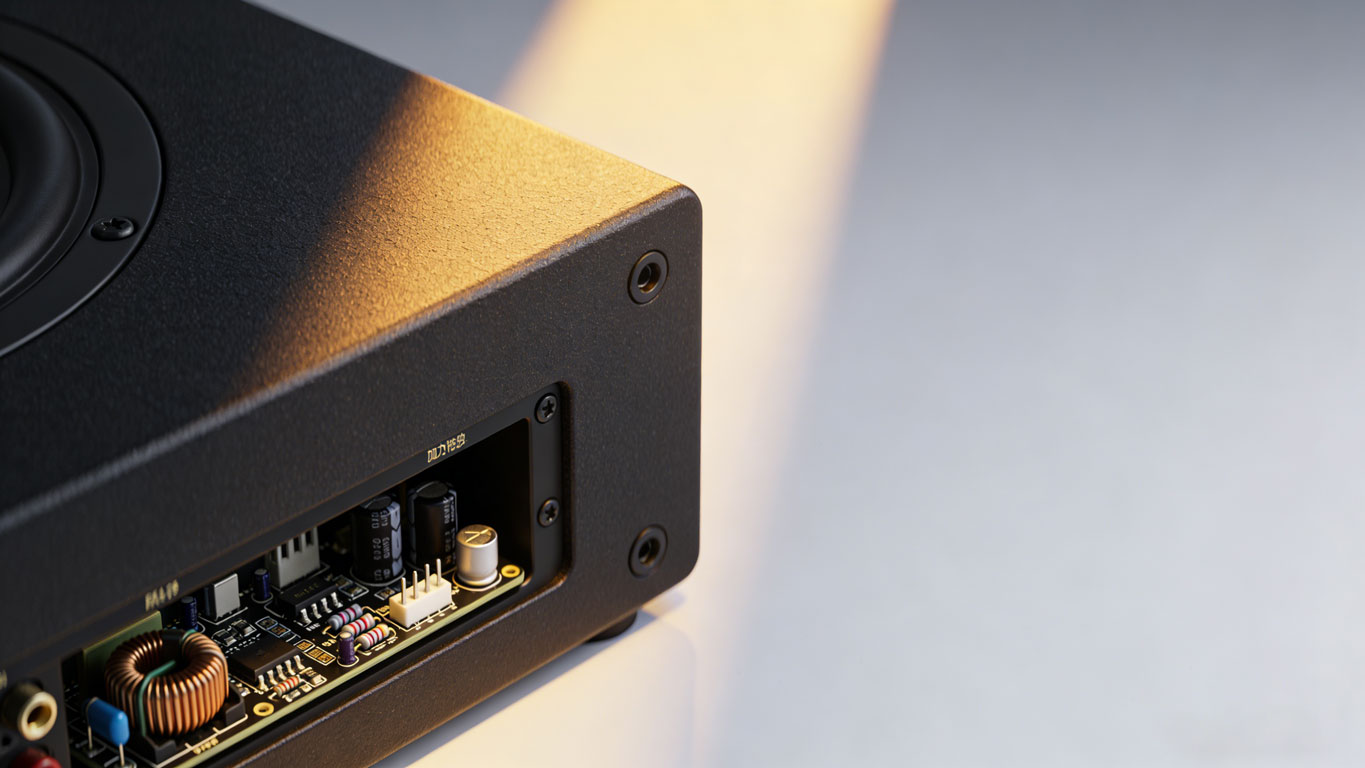
Speaker Damping Factor: Key Impact on Bass Control & Musicality
For audiophiles and sound enthusiasts, the pursuit of perfect bass and natural musicality often leads to overlooked technical details—one of the most critical being speaker damping factor. While terms like frequency response, impedance, and power get more attention, damping factor quietly dictates how tight, controlled, and musical your speaker’s bass sounds. A mismatch between amplifier and speaker damping can turn even high-end gear into a muddy, boomy mess—or rob your music of warmth and dynamics.
In this guide, we’ll demystify damping factor: what it is, how it works, and why it’s make-or-break for bass performance and overall musicality. Whether you’re building a Hi-Fi system, upgrading your amplifier, or simply want to understand why some speakers “feel” more responsive than others, this article breaks down the science into actionable insights.
1. What Is Speaker Damping Factor?
Let’s start with a simple definition: Damping factor (DF) is a measure of an amplifier’s ability to control a speaker’s driver movement, especially after the audio signal stops.
To visualize this: When a speaker’s woofer (bass driver) receives an electrical signal, it moves forward and backward to produce sound. When the signal ends, the woofer’s momentum causes it to keep vibrating—this is called “free resonance.” Damping factor quantifies how well the amplifier can “brake” this unwanted vibration, stopping the driver quickly and cleanly.
The Technical Formula
Damping factor is calculated as:
DF = Speaker Impedance (Z) / Amplifier Output Impedance (Zo)
Speaker Impedance (Z): Typically 4Ω, 6Ω, or 8Ω (the electrical resistance of the speaker).
Amplifier Output Impedance (Zo): The lower the amplifier’s output impedance, the higher the damping factor.
For example:
A 8Ω speaker paired with an amplifier with 0.1Ω output impedance = DF = 80.
A 4Ω speaker paired with the same amplifier = DF = 40.
Key Takeaway
Higher damping factor means better control over the speaker’s driver. But as we’ll explore later, “higher” isn’t always “better”—balance is key.
2. How Damping Factor Impacts Bass Control
Bass is the most affected frequency range by damping factor—here’s why and how:
a. Tight vs. Boomy Bass
High Damping Factor (DF > 50): The amplifier strongly controls the woofer, stopping resonance quickly. This results in tight, punchy, and well-defined bass—ideal for genres like rock, hip-hop, jazz, or electronic music, where precise bass transients matter. For example, a drum kick will sound sharp and impactful, not blurred into a boomy mess.
Low Damping Factor (DF ): The amplifier has weak control over the woofer, allowing it to vibrate freely. This leads to loose, boomy bass with poor definition—bass notes bleed into each other, muddying the mix. While some listeners perceive this as “warmth,” it sacrifices clarity and detail.
b. Handling Low Frequencies
Speakers have a “resonance frequency” (fs)—the frequency at which the woofer vibrates most easily (typically 20–80 Hz for home speakers). Damping factor is critical here:
High damping factor suppresses fs resonance, preventing the bass from becoming overpowering.
Low damping factor amplifies fs resonance, making the bass sound bloated and unfocused.
c. Speaker-Amplifier Matching
Damping factor isn’t just about the amplifier—it’s a relationship between amp and speaker:
Speakers with low impedance (4Ω) require amplifiers with very low output impedance to achieve a high damping factor. A 4Ω speaker paired with an amp with 0.2Ω output impedance = DF = 20 (acceptable), but the same amp with an 8Ω speaker = DF = 40 (excellent).
Speakers with high Qts (a measure of driver resonance) are more sensitive to damping factor. These speakers need higher DF amplifiers to control bass properly.
3. Damping Factor and Musicality: Beyond Bass
While damping factor is most closely linked to bass, it also influences overall musicality—how natural, engaging, and lifelike the sound feels:
a. Transient Response
Transients are the “attack” of a sound (e.g., the pluck of a guitar string, the strike of a piano key). High damping factor improves transient response by stopping the driver’s movement immediately after the transient, resulting in:
Sharper, more detailed attacks.
Better separation between instruments (no muddiness).
A more “dynamic” sound that feels responsive to the music’s nuances.
b. Timbre Accuracy
Timbre is the unique “tone” of an instrument or voice (e.g., distinguishing a violin from a cello). Poor damping can distort timbre by allowing the driver to vibrate beyond the signal’s duration, adding unwanted overtones. High damping factor preserves timbre accuracy, making vocals and instruments sound more natural.
c. Listener Fatigue
Boomy, unfocused bass (from low damping) is mentally tiring over time. Tight, controlled bass (from balanced damping) reduces ear fatigue, allowing you to listen longer without strain. This is a key part of the “listenability” that premium Hi-Fi systems prioritize.
4. Common Myths About Damping Factor (Debunked)
Damping factor is surrounded by misconceptions—let’s set the record straight:
Myth 1: “Higher Damping Factor = Better Sound”
Fact: While low damping factor (DF is generally bad, extremely high damping factor (DF > 100) offers diminishing returns. Some amplifiers with DF > 200 can sound “over-damped”—tight bass but lacking warmth and musicality. The sweet spot for most home speakers is DF = 20–80.
Myth 2: “Solid-State Amps Are Better Than Tube Amps for Damping”
Fact: Solid-state amps typically have very low output impedance (high DF), while tube amps have higher output impedance (lower DF, often 5–20). This isn’t a “better/worse” distinction—it’s a sound preference:
Solid-state amps (high DF): Tight, precise bass (ideal for rock, electronic).
Tube amps (low DF): Warmer, more relaxed bass (ideal for classical, jazz, vocals).
Myth 3: “Damping Factor Doesn’t Matter for Bookshelf Speakers”
Fact: Even small bookshelf speakers (with 4–6-inch woofers) benefit from proper damping. Poor damping can make their bass sound boomy, ruining the balance between midrange and low frequencies.
Myth 4: “Cables Affect Damping Factor”
Fact: Speaker cables have very low resistance (typically 10-foot runs), so they have minimal impact on damping factor. The amplifier’s output impedance and speaker impedance are the primary factors.
5. How to Choose the Right Damping Factor for Your System
Follow these steps to ensure optimal damping factor for your speakers and listening preferences:
Step 1: Check Your Speaker’s Impedance and Qts
Find your speaker’s impedance (4Ω, 6Ω, 8Ω) and Qts (listed in specs—Qts > 0.7 means the speaker is more resonance-prone).
Speakers with 4Ω impedance and Qts > 0.7 need amplifiers with low output impedance (≤0.1Ω) to reach DF = 40+.
Step 2: Match Amplifier Output Impedance
Look for amplifier specs that list output impedance (avoid amps that don’t disclose this).
For 8Ω speakers: Aim for amp output impedance ≤0.2Ω (DF = 40+).
For 4Ω speakers: Aim for amp output impedance ≤0.1Ω (DF = 40+).
Step 3: Consider Your Music Genre
Precision-Focused Genres (rock, hip-hop, electronic): Prioritize DF = 50–80 (solid-state amps are ideal).
Warmth-Focused Genres (classical, jazz, vocals): DF = 20–50 is sufficient (tube amps or hybrid amps work well).
Step 4: Test Before Buying (If Possible)
Listen to the system with your favorite music:
Does the bass feel tight and controlled, or loose and boomy?
Are transients (e.g., drum kicks, guitar plucks) sharp and detailed?
Do you feel fatigued after 30+ minutes of listening?
6. Damping Factor FAQs
Q1: Can I improve damping factor with an external device?
A1: No—damping factor is determined by the amplifier’s output impedance and speaker impedance. The only way to change it is to upgrade your amplifier or speakers.
Q2: What if my amplifier has a low damping factor?
A2: If you’re experiencing boomy bass, try:
Pairing it with 8Ω speakers (higher impedance = higher DF).
Choosing speakers with low Qts (≤0.6) to reduce resonance.
Q3: Do active speakers have damping factor considerations?
A3: Yes—active speakers have built-in amplifiers, so the manufacturer has already optimized damping factor for the drivers. This is one of the advantages of active speakers: no need to worry about amp-speaker matching for damping.
Conclusion
Speaker damping factor is a critical but underappreciated aspect of Hi-Fi system design. It directly controls bass tightness, transient response, and overall musicality—turning a good system into a great one. The key isn’t to chase the highest possible number, but to find a balance that matches your speakers, amplifier, and listening preferences.
By understanding damping factor, you can avoid common pitfalls (like boomy bass or mismatched gear) and build a system that delivers clear, natural, and engaging sound. Whether you’re a casual listener or a die-hard audiophile, this technical detail holds the key to unlocking your speaker’s full potential—one tight, musical bass note at a time.
How to Maximize Portable Speaker Battery Life
Amplifier, Speaker, or Cable: Which is the Core of Sound Quality?


